
Blog
Best Mango Wood Bar Stools UK 2026

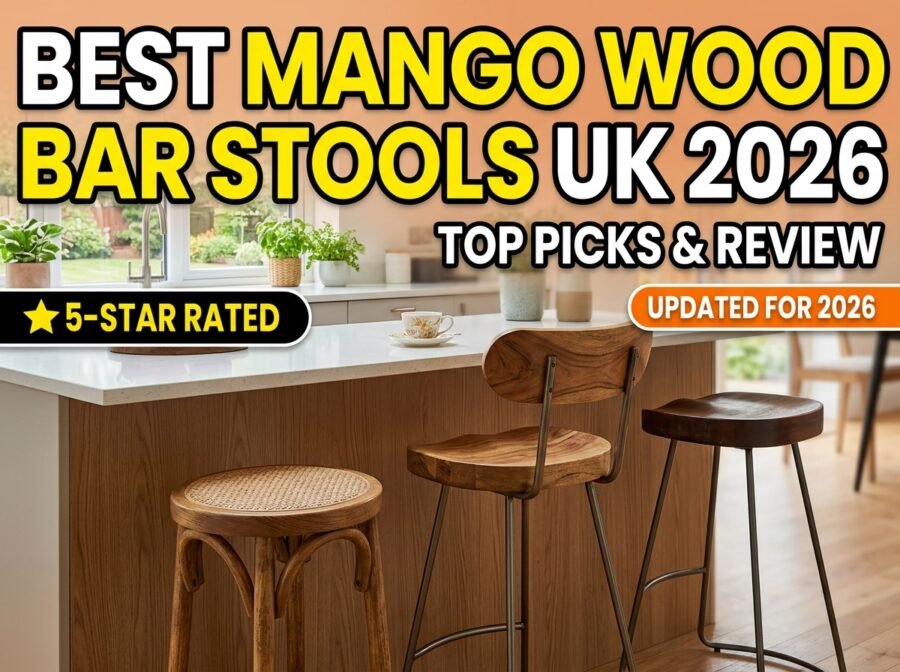
Best Mango Wood Bar Stools
UK 2026
Mango wood bar stools are one of the most searched-for kitchen purchases in the UK right now, and it is easy to understand why. They bring warmth, natural character, and a premium feel to any kitchen island or breakfast bar, at a price that makes sense. But buying the wrong stool is a surprisingly common mistake. This guide covers everything you need to know before you buy, from height and style to finish and care, so you get it right first time.
The best mango wood bar stools UK 2026 buyers are searching for share a few things in common. They need to be the right height for the counter. They need to look good in a real home, not just a showroom. And they need to last. Mango wood ticks all three boxes more convincingly than most other materials at this price point, which is exactly why it has become the go-to choice for UK homeowners upgrading their kitchen seating this year.
This guide is written to give you a proper understanding of the material, what separates a good mango wood stool from a bad one, and how to style it well in your home. We have also included a selection of our own mango wood furniture available now with free UK delivery and a 2-year guarantee.
Why mango wood for bar stools?
Mango wood has become one of the most popular materials in UK furniture over the past five years, and bar stools are no exception. Here is what makes it stand apart from the alternatives.
It is a genuinely hard, durable timber
Mango wood sits in the same hardness bracket as oak and ash. It handles daily use well, resists surface denting better than softer woods like pine, and its dense grain gives it structural integrity that lighter timbers cannot match. For a bar stool that will be pulled out and pushed back dozens of times a week, durability matters. Mango wood delivers it.
Every piece is unique
The grain of mango wood is one of its most distinctive features. The natural variation in colour and pattern means that no two pieces are ever identical. You can see rich browns, golden ambers, and occasionally darker veining all within the same board. In furniture that is supposed to feel handcrafted and individual, that variation is a feature, not a flaw.
It is a sustainable choice
Mango trees are harvested after their fruit-bearing years, typically between 15 and 25 years of age. Rather than being left to rot once they stop producing fruit, the timber is used for furniture. This makes mango wood one of the more sustainable hardwood choices available in the UK. For buyers who care about where their furniture comes from, it is worth knowing.
It works across kitchen styles
Oak stools can look too traditional in a modern kitchen. Metal stools can feel too industrial in a warm, family home. Mango wood sits comfortably in the middle. Its warm tones and organic grain work in contemporary kitchens, farmhouse kitchens, Scandi-inspired spaces, and everything in between. It is one of the most versatile natural materials available for kitchen seating.
“A well-chosen mango wood bar stool does not just fill a seat. It adds character, warmth, and a sense of craft to the whole kitchen.”
Getting the height right
Height is the single most important decision when buying any bar stool, and it is the one that catches the most UK buyers out. Get it wrong and the stool will be uncomfortable to sit at, difficult to get in and out of, or visually out of proportion with your counter.
Measure your counter first
Before you do anything else, measure the height of your kitchen worktop, island, or breakfast bar from the floor to the top surface. Write this number down. Everything else follows from it.
The 25 to 30cm rule
The ideal gap between a stool seat and the underside of the counter is 25 to 30cm. This gives enough room to sit comfortably, rest your elbows on the surface, and cross your legs if you want to. Use this rule to calculate the seat height you need. If your counter is 90cm high, you need a stool seat height of roughly 60 to 65cm. If your counter is 105cm, you need 73 to 78cm.
| Counter height | Stool type | Seat height needed | Typical use |
|---|---|---|---|
| 75cm | Dining stool | 44 to 48cm | Standard dining table |
| 90cm | Counter stool | 60 to 65cm | Kitchen worktop |
| 105cm | Bar stool | 73 to 78cm | Breakfast bar, island, home bar |
Kitchen counter heights vary more than most people realise, particularly in older UK homes where worktops may have been replaced or raised over the years. Always measure your specific counter rather than assuming a standard height.
Choosing your style
Mango wood bar stools come in several distinct styles, and choosing the right one depends on your kitchen layout, your personal taste, and how the stool needs to function day to day.
Solid wood stool, no back
The simplest and most space-efficient design. A backless mango wood stool can be tucked fully under a counter when not in use, keeping the kitchen looking tidy. It works particularly well at narrow breakfast bars where a backed stool would stick out too far. The trade-off is comfort over extended periods, though for kitchen seating used mainly at mealtimes, most people find a well-crafted backless stool perfectly comfortable.
Mango wood stool with backrest
A backed stool offers more comfort and a more considered, furniture-like appearance. It tends to work best at wider kitchen islands where there is enough space for stools to sit out from the counter. The back also adds height and visual presence, which can look beautiful if the stool’s design is strong. Look for a back that sits at a slight angle rather than dead vertical, as angled backs are significantly more comfortable to lean into.
Mango wood with metal legs
One of the most popular combinations in UK kitchens right now. A mango wood seat paired with black or brass metal legs gives you the warmth of natural wood with the structural slimness of metal. The result is a stool that reads as contemporary but still feels warm and characterful. This combination works brilliantly in modern handleless kitchens where the wood seat adds the natural texture that the fitted units lack.
Saddle seat design
Saddle-shaped mango wood seats are contoured to follow the natural curve of the body. They are more ergonomic than a flat seat, more comfortable for extended sitting, and have a slightly more premium appearance. If you plan to use your bar stools for long breakfasts, working from a kitchen island, or regular social seating around drinks, a saddle seat is worth the small additional cost.
Understanding mango wood finishes
The finish applied to a mango wood bar stool changes its look considerably, and it is one of the most overlooked aspects of the buying decision. Here are the main options you will encounter in the UK market.
Natural or light oiled
A natural finish lets the full colour variation of the mango wood shine through. The grain is visible, the golden and brown tones are rich, and the surface has a slightly matte, organic look. This finish suits Scandi, bohemian, and relaxed contemporary kitchens well. It does require occasional re-oiling to stay looking its best, but maintenance is simple and quick.
Chalked or whitewashed
A chalked mango wood finish applies a light, pigmented wash to the surface that softens the natural tones and creates a more muted, Scandi-inspired look. The grain is still visible but subtler. This finish is particularly popular in pale, contemporary UK kitchens where a fully natural wood tone might feel too warm or traditional. It is also one of the finishes used in the Colton range from Anneliese Bates, which you can see below.
Dark stain
A dark-stained mango wood stool reads as richer, more formal, and more traditional. The natural variation in the grain becomes less visible, and the overall effect is closer to a classic dark walnut or mahogany. This finish works well in traditional British kitchens, farmhouse-style spaces, and rooms with darker cabinetry.
Painted
Some mango wood stools are painted in solid colours, hiding the grain entirely in favour of a uniform finish. White, black, and sage green are the most popular choices in the UK. This is the least “wood-forward” look and suits kitchens where you want the material’s durability but prefer a more painted or lacquered aesthetic.
With back or without?
This is one of the most common questions buyers ask, and there is no single right answer. The decision depends on three things: how long people typically sit at your counter, how much space you have, and how much of the stool you want visible when it is not in use.
If your breakfast bar is used mainly for quick breakfasts and coffee, a backless stool is perfectly adequate and keeps the kitchen looking clean and uncluttered. If people sit at your island for longer stretches, whether for lunch, working from home, or social evenings, a backed stool will be significantly more comfortable and is worth the extra footprint.
From a practical standpoint, backless stools tuck fully under a counter, backed stools do not. In a kitchen where visual tidiness matters, that distinction alone is often enough to make the decision.
Your counter or island needs a minimum overhang of 25 to 30cm for comfortable knee clearance when seated. If your island has less than this, a backed stool with arms will be awkward regardless of height. Check the overhang before you buy.
Matching to your kitchen style
Mango wood is versatile, but that does not mean every stool will suit every kitchen. Here is a quick guide to matching your stool to your existing style.
Modern handleless kitchens
Pair with a mango wood seat on slim black or brass metal legs. The contrast between the clean-lined cabinetry and the organic wood grain is what makes this pairing work so well. Avoid overly rustic or heavily distressed finishes, which can fight against the sleekness of modern units.
Shaker-style kitchens
Shaker kitchens are one of the most common styles in UK homes and they suit mango wood beautifully. A natural or lightly oiled finish with a traditional leg design feels considered and cohesive. Backed stools work particularly well here. Choose warm tones that complement the painted cabinetry rather than fighting it.
Farmhouse and country kitchens
The rustic character of mango wood is a natural fit for farmhouse kitchens. Darker finishes, distressed details, and a heavier, more solid form all work well. Pair with stone or terracotta flooring, open shelving, and ceramic accessories for a classic country look that feels genuinely lived-in rather than styled.
Scandi and minimalist kitchens
For a Scandi-inspired kitchen, a chalked or whitewashed mango wood finish with clean, tapered legs is the most cohesive choice. The muted tone of a chalked finish works beautifully against white cabinetry, pale wood flooring, and the calm, uncluttered palette that defines this style.
Mango wood furniture from Anneliese Bates
Our bar stool range is expanding in 2026, and we will be adding dedicated mango wood bar stool listings to the site shortly. In the meantime, we have a selection of mango wood furniture available now that reflects exactly the quality and finish you should be looking for. All pieces ship free across the UK and carry a 2-year guarantee.

Mango Wood · Chalked Finish · Set of 2
Colton Mango Wood Bedside Tables — Set of 2
A beautiful example of what chalked mango wood looks like in a real home setting. The Colton range uses solid mango wood in a distinctive chalked finish that softens the natural grain while keeping all the warmth and character of the material. If you are considering a chalked mango wood bar stool for your kitchen, this finish is exactly what you are looking for. Available now with free UK delivery.
The Colton range shows exactly what a quality chalked mango wood finish looks like in practice. The clean lines, the softened grain, and the warm neutral tone sit comfortably in modern British kitchens and bedrooms alike. When our mango wood bar stool listings go live, they will be built to the same standard of finish and construction.

Mango Wood · Colton Range · Chalked Finish
See the Colton Mango Wood range in full
The Colton range shows the chalked mango wood finish across a full bedroom setting. The same quality of timber, the same distinctive grain, and the same clean chalked tone will carry through into our bar stool range. Browse the full Colton collection or get in touch to be notified when bar stools go live.
While the dedicated bar stool pages are being added to the site, you can browse our full accessories and furniture collection and get in touch via WhatsApp if you want to discuss specific requirements. Our team responds quickly and can advise on what is arriving next.
Shop our full mango wood collection
Free UK delivery on every order · 2-year guarantee · 30-day returns · Up to 35% off right now
How to care for mango wood
Mango wood is a low-maintenance material, but a small amount of regular care makes a big difference to how long it looks its best. Here is what you need to know.
Daily cleaning
Wipe with a slightly damp cloth and mild washing-up liquid for everyday marks. Always dry immediately. Never leave mango wood sitting in standing water or in contact with wet surfaces for prolonged periods. Moisture is the main enemy of any solid hardwood furniture, and mango is no exception.
Oiling and conditioning
A natural mango wood finish benefits from treatment with a natural oil every three to six months, depending on how much use the stool gets and how dry your home is. Olive oil, walnut oil, or a dedicated wood conditioning oil applied with a soft cloth will nourish the grain, prevent drying and cracking, and keep the surface looking rich and healthy. Be aware that oil will slightly deepen the tone of the wood, which is usually a desirable effect.
Sun and heat
Mango wood can dry out and crack if placed directly in strong sunlight for extended periods. If your kitchen island gets a lot of direct sun through south-facing windows, position stools away from the most intense light when not in use, or treat with oil more frequently during summer months. Avoid placing mango wood stools directly next to radiators for the same reason.
Surface protection
Use coasters and placemats where possible to protect the seat surface from hot cups, wet glasses, and sharp objects. The natural surface of mango wood is resilient but not impervious to marks from sustained contact with heat or moisture. A small amount of preventative care means the surface stays looking beautiful for years.
Common buying mistakes to avoid
Buying bar stools is one of those purchases where a simple mistake at the start leads to frustration later. Here are the most common errors UK buyers make with mango wood bar stools, and how to sidestep each one.
- Not measuring the counter height before ordering. This is the number one cause of returns. A stool that is 5cm too high or too low is genuinely uncomfortable to use. Measure first, always.
- Buying online without checking overhang dimensions. You need at least 25cm of counter overhang for knee clearance. Many fitted kitchen islands are designed without this, which makes any stool uncomfortable. Check your island before buying rather than after.
- Ordering one stool to try before buying more. Batch finishes can vary slightly between production runs. If you want three matching stools, order three at once to guarantee they come from the same production run.
- Choosing a finish that does not suit the kitchen lighting. A natural mango wood finish that looks rich and warm in a south-facing showroom can look flat and muddy in a poorly lit kitchen. Always consider your kitchen’s light levels when choosing between natural, chalked, and dark finishes.
- Ignoring the footrest position. A footrest at the right height makes a bar stool significantly more comfortable for long periods of sitting. Check where the footrest sits relative to the seat height and whether it will suit the height of the people using it most.
- Forgetting to check delivery access. Mango wood stools are dense and heavy. Most are delivered assembled or partly assembled in boxes. Check that your delivery address has suitable access and that there is someone available to receive what can be a substantial delivery.